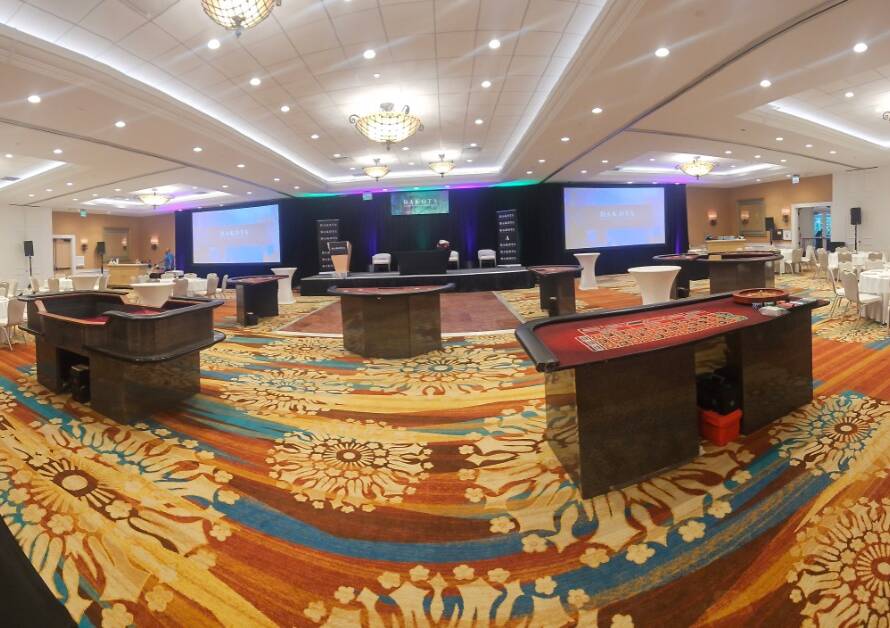


A casino party gives guests a lively way to learn new activities and enjoy friendly competition throughout an event. However, beginners sometimes hesitate before they join a game because they are unfamiliar with it.
When guests get a simple introduction to each game, they can join with more confidence. Explore various popular casino table games in this beginner’s guide so you won’t feel left out of the fun.
Texas Hold’em
When players start a round of Texas Hold’em, they receive two private cards that only they can use. Five shared community cards then appear face up in the center of the table as the round progresses. But players can combine their two private cards with the community cards to form the strongest five-card poker hand they can make.
Each round of Texas Hold’em starts with initial wagers before the dealer places the first three community cards on the table. At a casino party, a dealer can explain hand rankings and guide new players through each choice without slowing the social pace.
Roulette
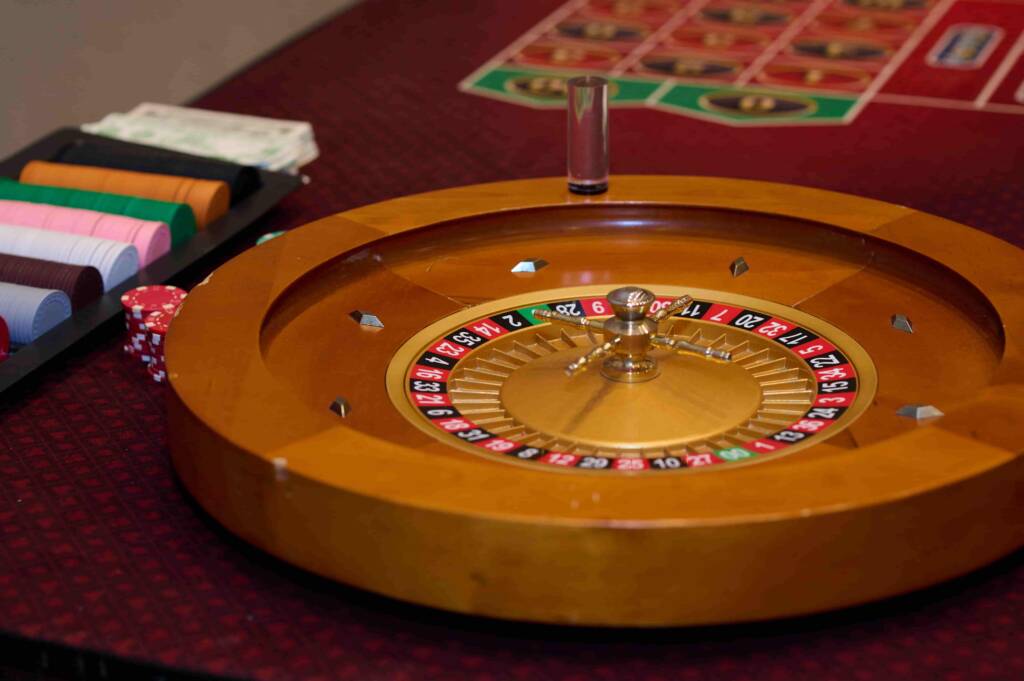
A spinning wheel and a small ball create suspense for players during games of roulette. Players begin each round by placing their chips on a numbered table layout before the dealer spins a wheel with numbered pockets.
They can select one exact number, several connected numbers, a color, or a larger category such as odd or even. After all selections are in place, the dealer spins the wheel in one direction and sends a small ball around the rim in the opposite direction.
The ball eventually drops into one numbered pocket with a distinctive color, which determines the result for that round. The dealer then checks the table layout, identifies the successful selections, and collects the remaining chips.
Money Wheel
A large vertical wheel serves as the centerpiece of this visually engaging game. Before each spin, players place chips on spaces that match the numbers or symbols shown on the wheel. The dealer then spins the wheel, and a fixed pointer identifies the winning section when the wheel comes to a stop.
Each section can represent a different result, so players compare the pointer’s final position with the spaces they selected on the table. The dealer announces the outcome and prepares the table for the next round. Beginners can follow the game easily because every round follows the same pattern of choosing a space, watching the spin, and checking the result.
Blackjack
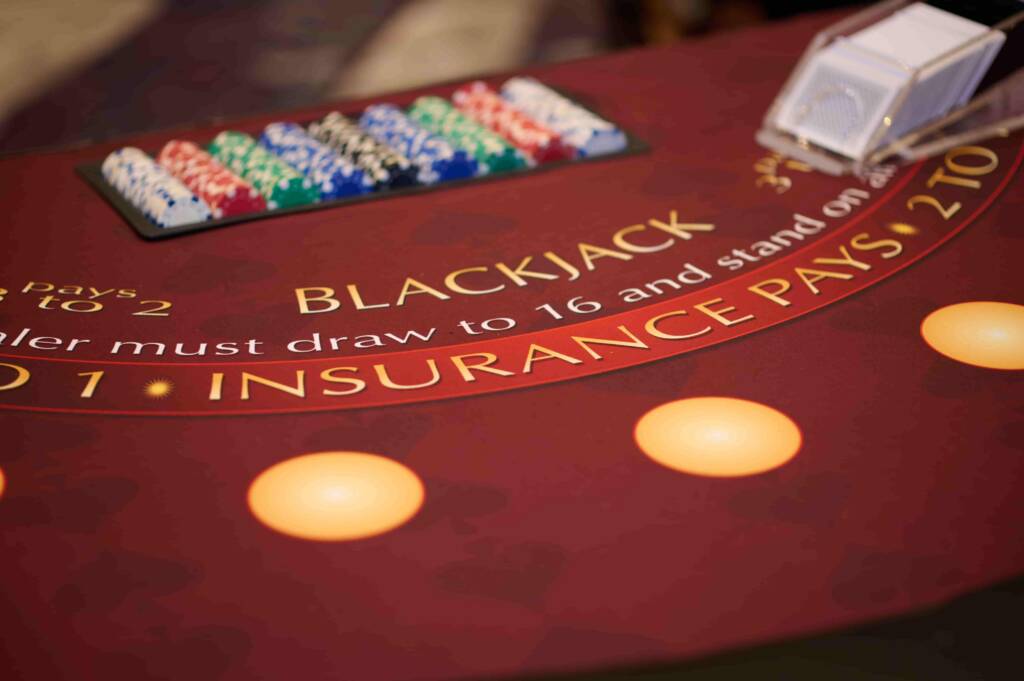
Another popular casino table game is blackjack, which pits players against the dealer. At the start of the round, each player receives two cards, while the dealer gets cards as well. While numbered cards retain their printed values, face cards count as 10, and an ace can count as either one or 11.
After reviewing the first two cards, a player can take another card, keep the current total, or choose another available option explained by the dealer. A hand that goes above 21 loses the round, while a hand at or below 21 competes against the dealer’s final total. Beginners can follow the action by focusing on the card total and listening to the dealer explain each choice as the round develops.
Three Card Poker
Three cards can create plenty of suspense when every choice in this game leads to a quick decision. The game starts with dealers giving each player three cards. They will use them to form a poker hand that competes against the dealer’s three-card hand. After reviewing those cards, the player chooses whether to continue with the hand or fold and leave the round.
Because the game uses only three cards, beginners can evaluate their hands more quickly than they might in traditional poker. The hand rankings differ slightly from those used in five-card poker because some combinations appear more frequently in a three-card format. A straight ranks above a flush, while three of a kind ranks above a straight.
Ultimate Texas Hold’em
Community cards bring the familiar structure of Texas Hold’em to this game, where you also play directly against the dealer. Every player receives two private cards, and the dealer eventually reveals five community cards that both sides may use. Players create their best five-card hand from the available seven cards and compare it with the dealer’s hand.
The game lets players make decisions at several points, including before or after community cards reach the table. Earlier decisions may allow a larger commitment, while later decisions provide more information about the possible final hand. A helpful dealer can guide beginners through the timing, making the game approachable even when guests have never played poker.
Craps
Rolling two dice can create shared excitement among the players gathered around a craps table. During a game, one guest acts as the shooter and rolls the dice, while the dealer explains the available choices and handles the chips placed on the layout. Beginners can follow the game by focusing on whether the shooter wins on the first roll or establishes a number to roll again.
The first roll starts a new round and determines what happens next. If the shooter rolls a seven or 11, the shooter wins immediately, while a roll of two, three, or 12 ends the round with a loss. A roll of four, five, six, eight, nine, or ten establishes that number as the point.
After the dealer marks the point, the shooter rolls again. They may win the round by rolling the point number again before rolling a seven. If a seven appears first, the round ends with a loss, and another player may take a turn as the shooter.
Let It Ride
Personal cards and community cards determine the final hand in a game of Let It Ride. Each player starts with three equal chip placements and receives three cards, while the dealer keeps two community cards facedown. The goal is to build a hand by combining the player’s three cards with the dealer’s two shared cards.
After reviewing the first three cards, the player may remove one chip placement or leave it in place. The dealer then reveals the first community card, giving the player another chance to remove one placement or let it remain. Once the dealer reveals the second community card, the final five-card hand determines the result.
Casino table games give beginners many ways to participate, whether they prefer cards, dice, and spinning wheels. Now that you know how each of these games works, you can participate in them with little fear. But don’t be afraid to ask your dealer about any sudden questions you may have.
The Party Corp offers each of these through its casino game rentals, as well as friendly, professional dealers who can guide players through the action. Reach out to us today to learn how we can bring these fun activities to your next event.